
Best window treatments for privacy usually come down to one thing: controlling sightlines without turning your room into a cave. If you’ve ever felt like your neighbors can see straight in, but you still want daylight (and not a heavy, hotel-curtain vibe), you’re solving the right problem.
Privacy and light control get tricky because “privacy” means different things at 2 p.m. versus 10 p.m., and different windows behave differently too. A street-facing living room window needs a different setup than a bathroom, a nursery, or a home office with glare on the monitor.
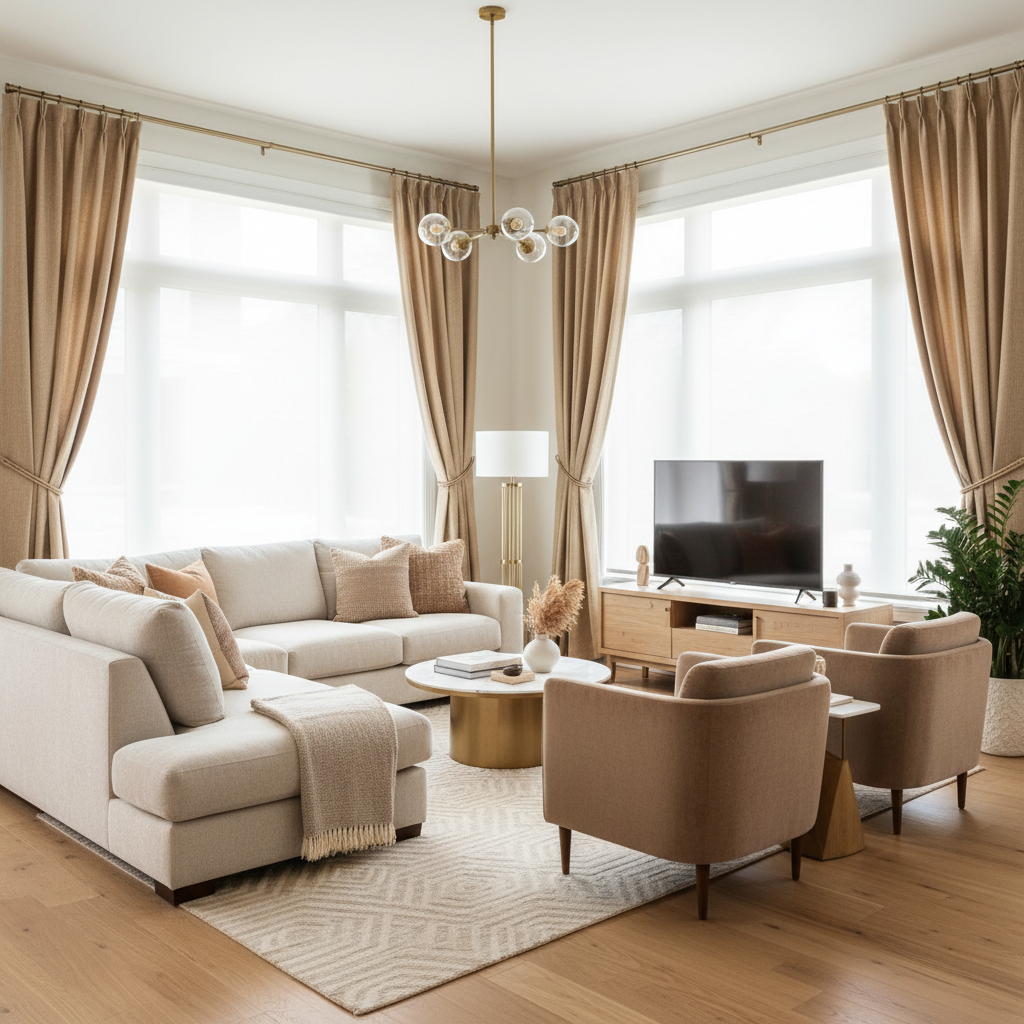
This guide breaks down what actually works in real homes, what to pick for each room, and where people waste money. I’ll also give you a quick decision checklist and a comparison table so you can narrow choices fast.
What “privacy + light control” really means (day vs. night)
Most frustration happens because shoppers assume one product covers every condition. In practice, you’re juggling three different goals that sometimes fight each other.
- Daytime privacy: blocking clear views into your home while still letting in usable daylight.
- Nighttime privacy: preventing silhouettes when interior lights turn on.
- Light control: reducing glare, softening harsh sun, or fully darkening for sleep.
Sheer fabrics often feel “private” in the daytime, but at night they can flip and become see-through. Blackout products solve sleep and streetlight issues, but many people dislike how heavy they look unless they’re layered thoughtfully.
Key takeaway: If you need both daytime openness and nighttime coverage, layering (or a top-down/bottom-up design) tends to be the most forgiving option.
Quick comparison: best options by privacy level, light control, and budget
If you want the shortest path to a good choice, start here. Prices vary by size, brand, lining, and custom vs. ready-made, so treat “budget” as relative.
| Window treatment type | Day privacy | Night privacy | Light control | Best for | Budget |
|---|---|---|---|---|---|
| Cellular (honeycomb) shades | High | High | Medium to high (blackout available) | Bedrooms, nurseries, energy efficiency | $$ |
| Roller shades (light-filtering / blackout) | Medium to high | High (with proper opacity) | High | Clean modern look, offices, media rooms | $ to $$ |
| Roman shades | Medium to high | High (with lining) | Medium to high | Living/dining rooms, softer style | $$$ |
| Faux wood / wood blinds | Medium | Medium | Medium | Adjustable light, classic look | $ to $$ |
| Sheer shades or curtains | Medium (varies) | Low to medium | Low to medium | Daytime brightness, layering base | $ to $$ |
| Drapery with blackout lining | High | High | High | Bedrooms, streetlights, sound dampening | $$ to $$$ |
| Top-down/bottom-up shades | High | High | Medium to high | Street-facing rooms, bathrooms | $$$ |
If you’re shopping specifically for the best window treatments for privacy in common U.S. neighborhoods, cellular shades, roller shades, and layered curtain systems tend to cover the widest range of “real life” needs.
Why privacy solutions fail in real homes (and how to avoid it)
People rarely regret buying “the wrong style.” They regret the wrong opacity, the wrong mount, or the wrong expectation about night visibility.
- Opacity confusion: “Light-filtering” can still show silhouettes at night, especially with bright interior lighting.
- Side gaps: Inside-mount blinds and shades can leak sightlines at the edges, which matters on street-facing windows.
- Glare vs. brightness: Some fabrics reduce glare but also flatten the room’s natural light in a way people dislike.
- One-and-done thinking: A single layer rarely delivers soft daytime light plus strong nighttime privacy.
According to the U.S. Department of Energy, certain window coverings can help reduce heat loss and heat gain, which is a useful bonus when you’re already investing in shades or drapery. It’s not just aesthetics, it can affect comfort near windows.
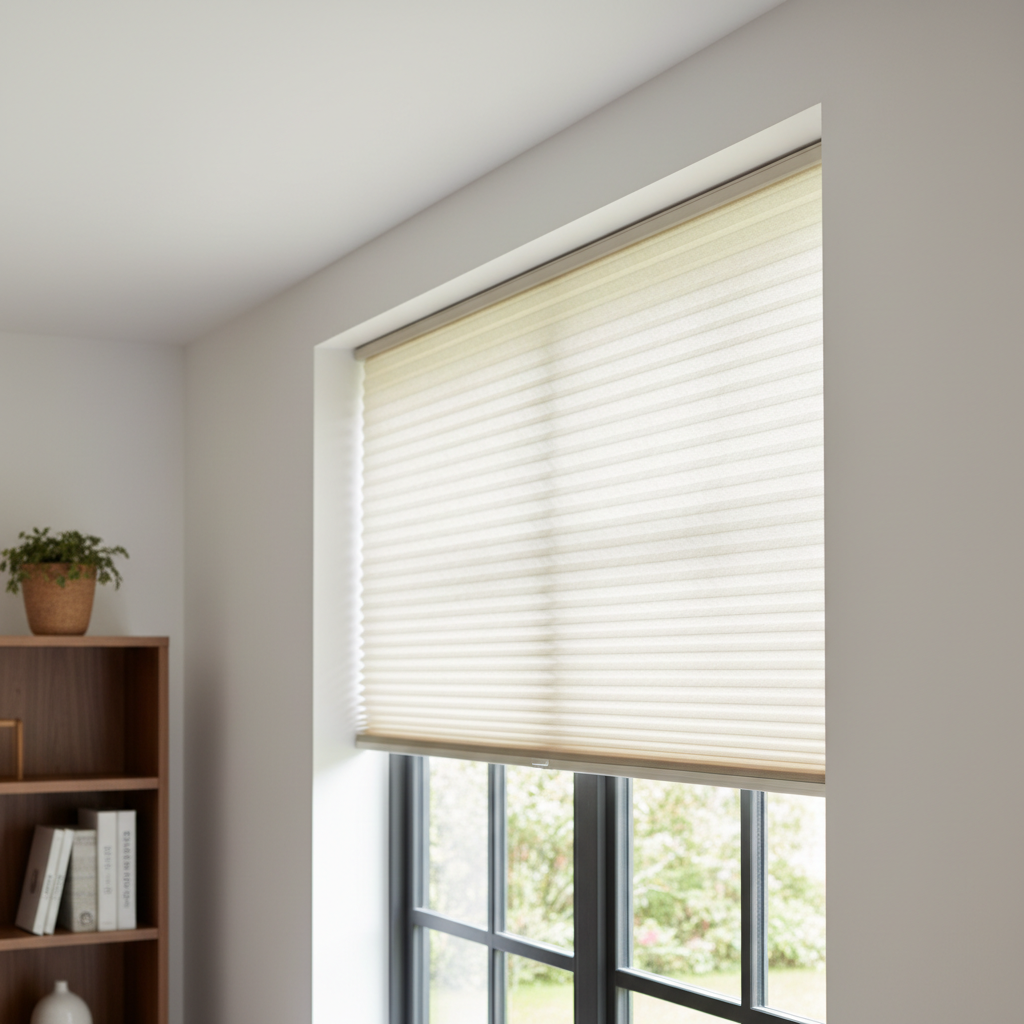
One small but high-impact decision is whether to choose an inside mount or outside mount. Outside mount can cover more glass and reduce edge gaps, which helps privacy and room darkening, but it changes the look and needs enough wall space.
Self-check: pick your “privacy profile” in 2 minutes
If you answer these honestly, you can avoid 80% of bad picks.
1) What kind of exposure do you have?
- Street-facing / sidewalk level: prioritize adjustable coverage (top-down/bottom-up, light-filtering + blackout layer).
- Neighbor-facing across a short gap: prioritize nighttime opacity and side-gap control.
- High floor / treetop view: privacy may be secondary, glare and UV might matter more.
2) What time is privacy most important?
- Mostly daytime: sheers, light-filtering roller, solar shades can work well.
- Mostly nighttime: blackout roller/cellular, lined drapery, or layered setups.
3) What’s your light goal?
- Soft glow, no harsh sun: light-filtering cellular, woven wood with liner, sheers + secondary layer.
- Cut glare for screens: roller shades with tighter weave, or dual shades.
- Dark room for sleep: blackout cellular/roller plus attention to side gaps.
Once you know your profile, you can shop for the best window treatments for privacy without getting pulled around by showroom lighting or pretty product photos.
Room-by-room recommendations (what usually works)
Room needs matter more than trends. Here’s what tends to perform well in typical U.S. homes and apartments.
Living room (street-facing)
- Top-down/bottom-up cellular shades: cover eye level while keeping daylight above.
- Layered look: sheer curtains for daytime, plus lined drapery panels for night.
- Solar shades: good for glare and daytime privacy, but confirm nighttime visibility.
Bedroom
- Blackout cellular or blackout roller shades: clean and effective for sleep.
- Blackout drapery (or lined curtains): helpful if you hate light leaks, also softens the room visually.
Bathroom
- Frosted window film + simple shade: film gives baseline privacy, shade adds light control.
- Moisture-friendly options: faux wood blinds or vinyl roller shades often handle humidity better.
Kitchen
- Easy-clean roller shades: practical near cooking areas.
- Faux wood blinds: adjustable light, but keep grease/dust reality in mind.
Home office
- Light-filtering roller shades: often the simplest way to reduce monitor glare.
- Dual shades: switch between sheer and blackout depending on calls and screen use.
Practical buying steps: measure, choose opacity, and plan mounting
Buying window coverings can feel like a style decision, but the best results come from doing a few practical checks first.
Step 1: Measure the window (and the trim)
- For inside mount, measure width in three places, use the narrowest, many windows are not perfectly square.
- For outside mount, plan extra coverage on each side to reduce gaps and improve privacy.
Step 2: Pick the right opacity for your privacy needs
- Sheer: bright daytime feel, limited night privacy.
- Light-filtering: soft light, moderate privacy, check night silhouettes.
- Room-darkening: stronger privacy and glare control, still may leak around edges.
- Blackout: maximum light blocking at fabric level, but installation details still matter.
Step 3: Decide if you need layering
If your space needs daytime openness and nighttime coverage, pairing a lighter layer with a heavier one avoids the “always dark” compromise. It also looks more intentional than overcorrecting with a single heavy blackout curtain everywhere.
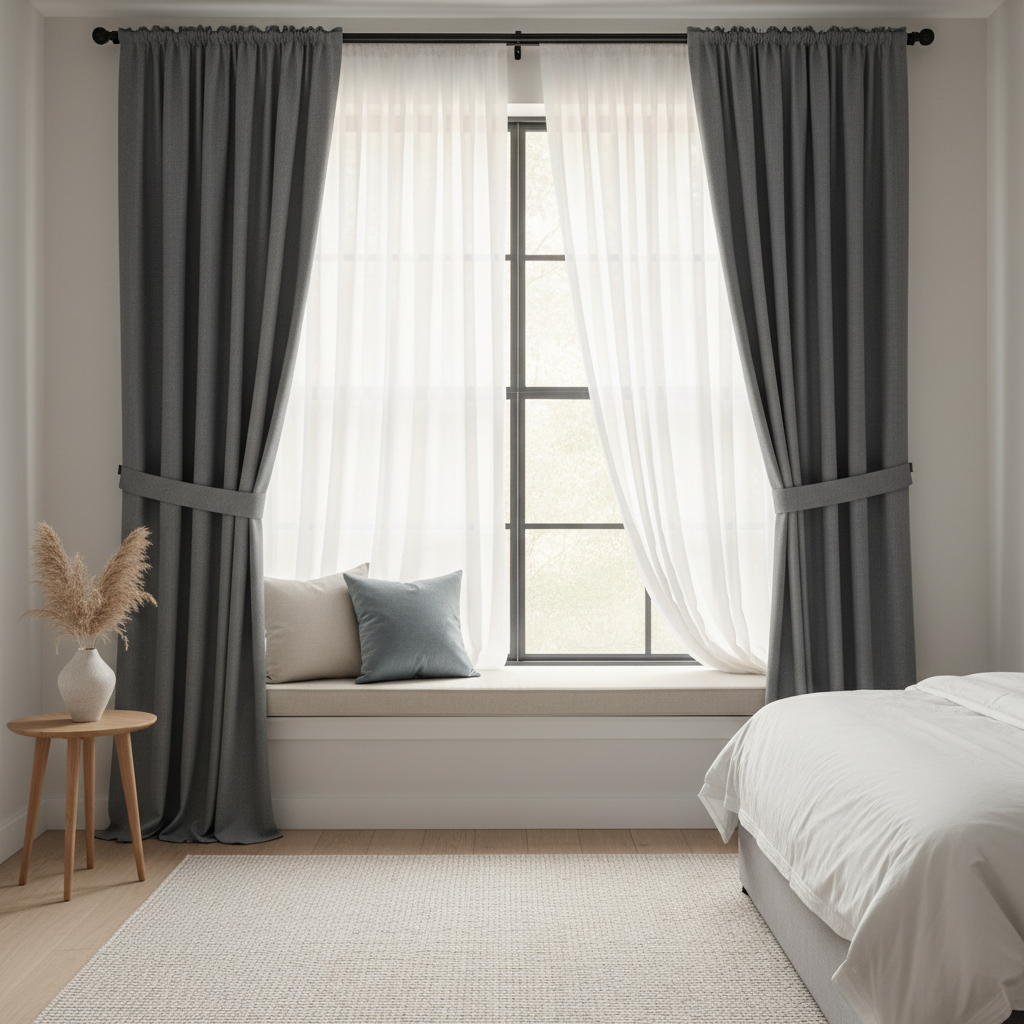
Key point people miss: If you buy blackout fabric but leave big side gaps, you may still feel exposed at night, and streetlights can still sneak in. Hardware and mount style are part of the performance.
Common mistakes (money-wasters) and what to do instead
- Buying based on color only: always test opacity near a window, ideally check at night with lights on indoors.
- Ignoring cleaning reality: kitchens and dusty streets punish textured fabrics, roller shades often win on upkeep.
- Overusing blackout everywhere: many rooms feel flat and dim, use blackout where sleep or glare demands it, not as a default.
- Forgetting child and pet safety: cordless and motorized options can reduce cord hazards, if you’re unsure, ask an installer or retailer about safer systems.
According to the U.S. Consumer Product Safety Commission, corded window coverings have been associated with strangulation hazards for young children, so it’s worth prioritizing safer operating styles, especially in bedrooms and play areas.
If you’re trying to decide among the best window treatments for privacy, avoid making the call under bright showroom lighting alone. Your home’s angles, nighttime lighting, and distance to neighbors matter more than the display wall.
When it’s worth getting professional help
Most people can handle standard windows with ready-made treatments, but some situations justify a pro measurement or installation.
- Very large windows or sliders: heavier hardware, alignment, and smooth operation become more important.
- Odd shapes: arches, angled windows, and bay windows often need custom solutions.
- You need near-total light control: pros can help reduce edge gaps with outside mounts, returns, and better track systems.
- Motorization: smart shades can be straightforward, but wiring, pairing, and setup vary, a local installer can save time.
If you rent, it’s also smart to confirm what you can drill into, and whether tension rods or no-drill brackets fit your trim, building rules vary and a quick check prevents headaches.
Conclusion: a simple way to choose without overthinking it
If you want a dependable default, start with a light-filtering layer for daytime comfort, then add a second layer for night and glare when needed. That combo solves the most common “I want light but not visibility” complaint without forcing a one-style-fits-all decision.
Your next move can be practical: pick one room with the biggest privacy pain, measure carefully, and choose a mount style that minimizes gaps. After that, repeating the solution through the home feels much easier.
FAQ
What are the best window treatments for privacy in a living room?
For street-facing living rooms, top-down/bottom-up shades or a layered setup with sheers plus lined drapes often gives the best balance of daylight and coverage. It keeps the room bright while blocking direct sightlines.
Are sheer curtains enough for privacy at night?
Many sheer fabrics provide limited nighttime privacy because interior lighting can make silhouettes visible. If night coverage matters, consider adding a second layer like lined drapery or a room-darkening shade.
Do blackout shades guarantee privacy?
Blackout fabric typically blocks visibility through the shade, but privacy can still be compromised by side gaps or poor mounting. If you feel exposed, an outside mount or wider coverage usually helps.
What works best for bathroom windows where you still want light?
Frosted window film plus a simple shade is a common, practical combo. The film provides consistent privacy, while the shade lets you adjust brightness and glare.
Are blinds or shades better for privacy and light control?
Shades often provide more uniform privacy because there are no slats, while blinds give finer control over light direction. If you want fewer sightline gaps, shades usually feel more private.
How can I get privacy without making the room dark?
Look at top-down/bottom-up shades, light-filtering cellular shades, or sheer-based layering. These options keep daylight while blocking the most direct views into the room.
Is window film a good alternative to curtains or shades?
Film can be helpful for daytime privacy and glare control, but it’s not always a full replacement because it doesn’t “turn off” at night the way a shade can. Many households use film as a baseline, then add a movable layer for flexibility.
If you’re trying to choose the best window treatments for privacy but you want a quicker shortlist for your specific room, it can help to map your window exposure and your day-versus-night needs first, then shop with those constraints in mind, it saves you from buying something pretty that only works in perfect conditions.