
how to remove pet urine smell from carpet comes down to one unglamorous truth: you have to reach what the urine soaked, not just what you can smell on the surface.
If you have ever cleaned the spot, thought it was “fine,” and then the odor comes back on a humid day, you are not imagining it. Old urine crystals and bacteria can keep releasing odor, especially when moisture or heat reactivates them.
This guide walks you through a permanent approach, not a perfume-and-pray approach, with a quick way to find the real contaminated area, a product decision table, and step-by-step methods that fit different carpet setups.
Why pet urine odor keeps coming back (even after cleaning)
The “permanent” part usually fails for one of these reasons, and you only need one to be true for the smell to return.
- The urine went deeper than you treated: Many cleanups hit the carpet fibers, but the padding and sometimes the subfloor hold most of the contamination.
- Wrong chemistry: Ammonia-based or high-alkaline cleaners can make odor worse or encourage repeat marking in some pets.
- Not enough dwell time: Enzymes need time and moisture to work. Spraying and instantly blotting often leaves the problem behind.
- You “sealed in” odor: Heat, steam, or some carpet deodorizers can set stains or trap odor compounds under residues.
According to the American Society for the Prevention of Cruelty to Animals (ASPCA), repeated house-soiling can have medical or behavioral causes, so odor control sometimes ties directly to preventing repeat incidents.
Quick self-check: what kind of urine problem are you dealing with?
Before you buy anything, take 3 minutes and classify the situation. It changes the fix.
Use this checklist
- Age of spot: fresh (today), recent (past week), old/unknown (weeks+)
- Area feels stiff or crunchy when dry (often dried urine salts)
- Odor spikes when humid or right after you shampoo the carpet
- Stain has a yellow ring (often migrated liquid)
- Multiple spots or “re-marking” in the same location
- Carpet over wood subfloor (odor can sink into seams and framing)
If you check the humidity box plus “old/unknown,” assume the padding is involved. That is where many “I tried everything” stories start.
Choose the right approach: products and methods compared
There is no single best cleaner for every carpet, but there is a best match for your scenario. Here is a practical comparison.
| Option | Best for | What it does | Common pitfalls |
|---|---|---|---|
| Enzymatic cleaner | Most pet urine odors | Breaks down odor-causing organics over time | Not saturating deep enough; drying too fast |
| Oxygen-based cleaner | Light stains + mild odor | Oxidizes some odor compounds, brightens fibers | May not solve deep padding contamination |
| Wet vac / carpet extractor (cold/neutral) | Rinsing out residue after treatment | Removes dissolved soils and cleaner leftovers | Over-wetting; using hot water on urine areas |
| Professional treatment | Large areas, subfloor impact | Deep extraction, targeted treatments, sometimes subfloor sealing | “One-pass deodorizing” that does not address padding |
Step-by-step: how to remove pet urine smell from carpet permanently
This is the method that tends to work when you are serious about permanence. Adjust slightly based on carpet type and whether the spot is fresh or old.
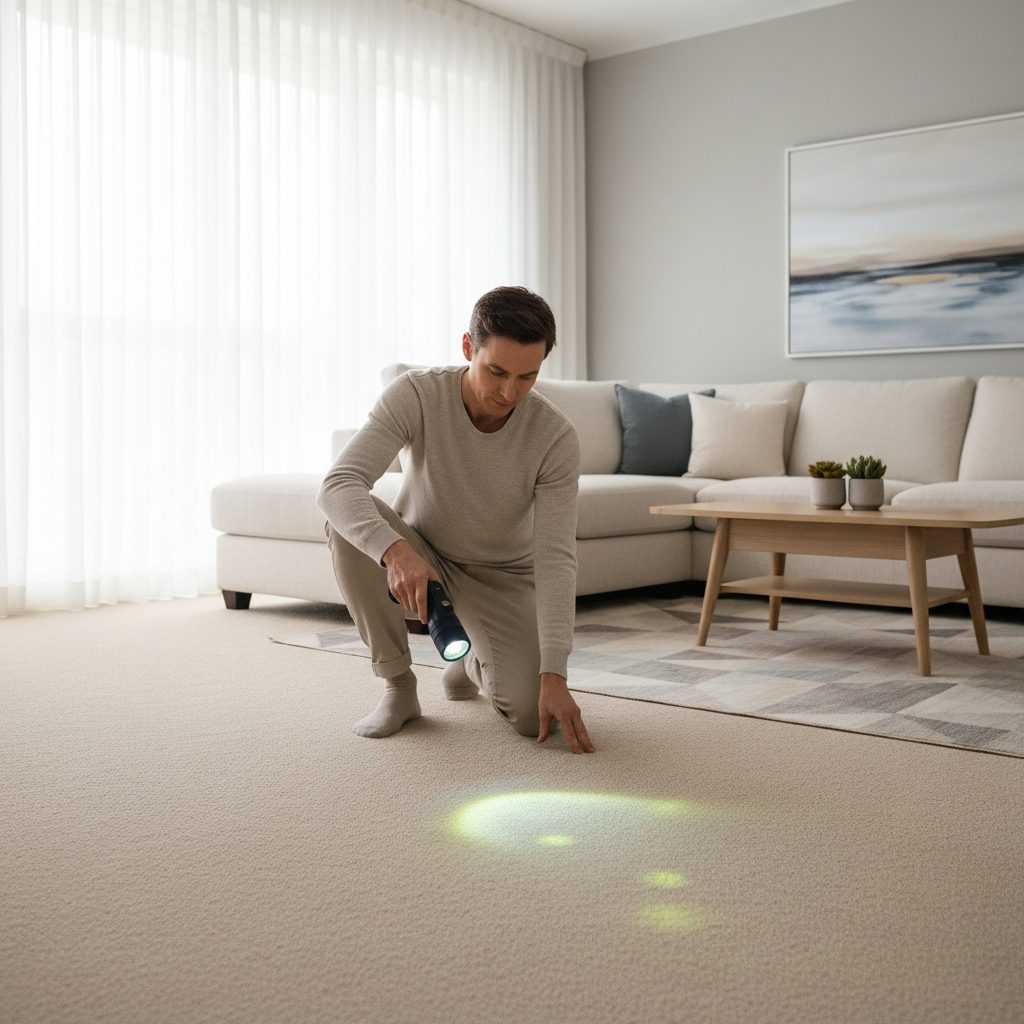
Step 1: Find the full contaminated zone (it is usually bigger than the stain)
- Use a UV/blacklight in a dark room, then mark the outer edges with painter’s tape.
- Sniff test close to the carpet, but trust the light more than your nose after you have been in the room a while.
Key point: treat the entire marked area, not just the center.
Step 2: Blot the right way (especially for fresh accidents)
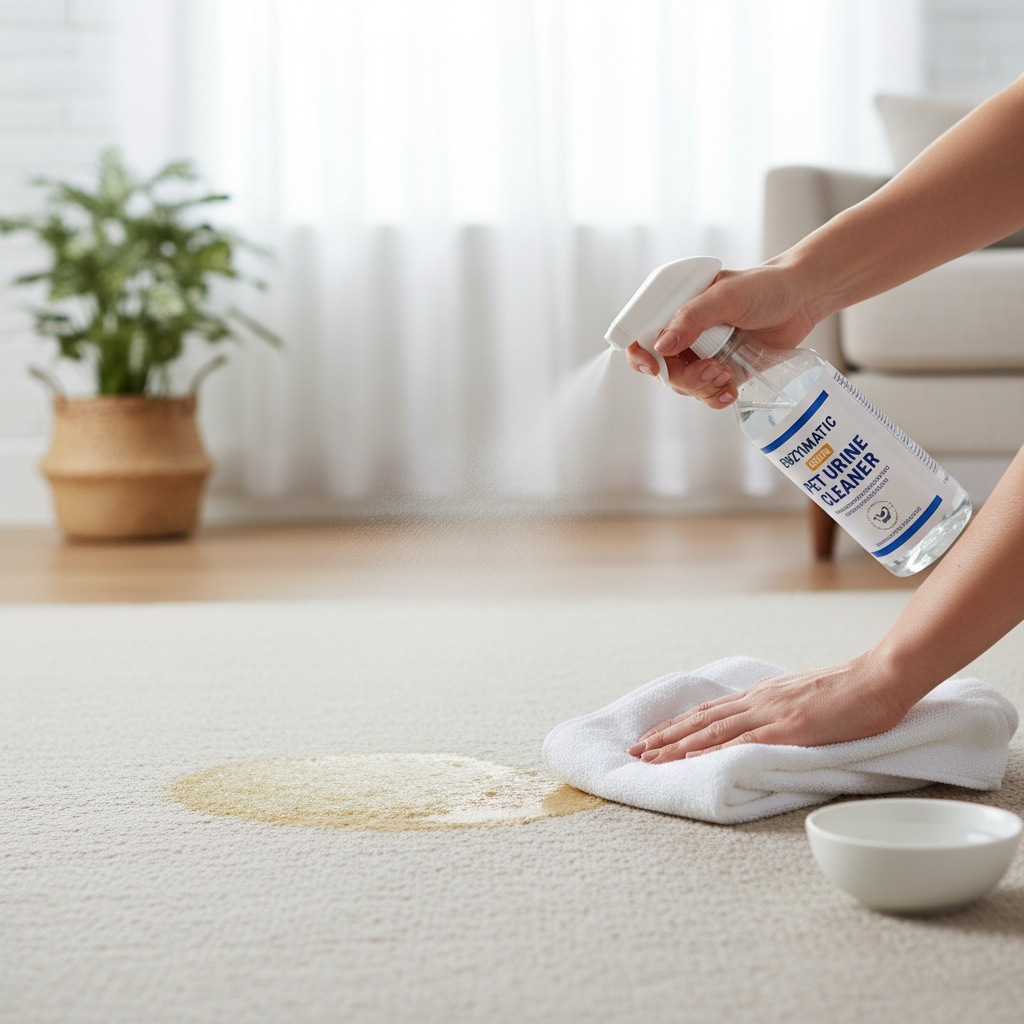
- Press with paper towels or white cloths, do not rub.
- Stand on the towels to apply body weight for 20–30 seconds, repeat until towels are barely damp.
If it is an old spot, still blot after you lightly dampen the area with cool water, you want to pull out loose residues before enzyme treatment.
Step 3: Saturate to the depth of the urine, then give enzymes time
- Apply enzymatic cleaner until the carpet feels evenly damp across the taped area.
- If you suspect padding involvement, you may need more product than feels “reasonable.” That is normal.
- Cover with plastic wrap or a trash bag for a few hours to slow evaporation, then let it air dry.
Most enzyme labels mention dwell time, but people rush it. Letting it stay moist long enough is often the difference between “better” and “gone.”
Step 4: Rinse and extract (to prevent sticky residue and rebound odors)
- After treatment has worked and the area is mostly dry, lightly rinse with cool water.
- Extract with a wet vac or carpet extractor using cool to lukewarm water, not hot.
If you do not have a machine, heavy blotting works, it is slower but still effective.
Step 5: Dry fast and completely
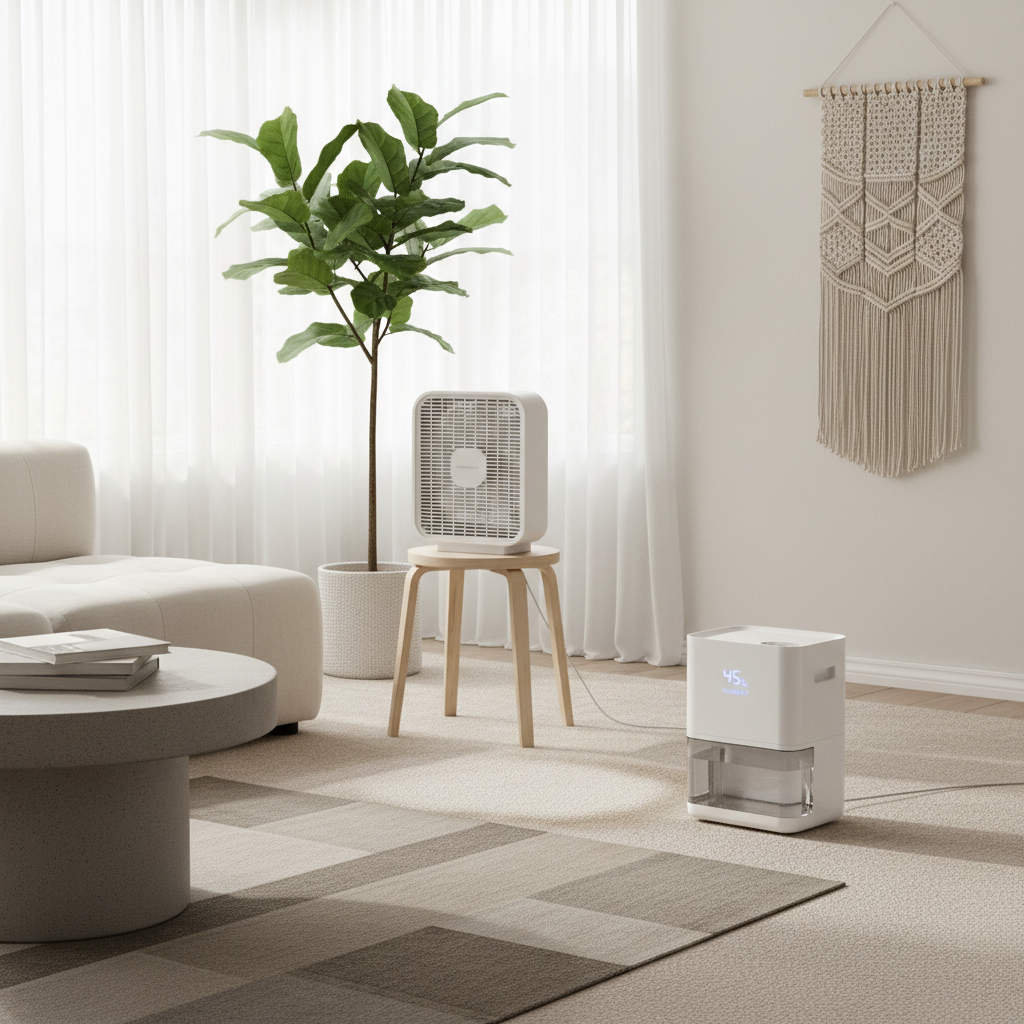
- Run a fan aimed at the spot, and if you have one, a dehumidifier in the room.
- Avoid walking on the area until it feels dry through the fibers.
Odor can linger during drying, that does not always mean failure. Re-check after 24–48 hours and again on a humid day.
If the padding or subfloor is contaminated: what actually works
When the smell is “in the room,” not “on the carpet,” you are usually dealing with padding or wood. This is where permanent removal becomes more like a repair decision.
Signs you are past surface cleaning
- Odor returns immediately after shampooing or rain/high humidity.
- The same area gets re-marked even after you clean.
- You can smell it more at floor level than standing up.
Practical options
- Padding replacement (targeted): Often the highest success move for a single hot spot. Carpet can sometimes be lifted and re-stretched.
- Subfloor treatment: Enzyme or oxidizer can help, but in stubborn cases pros may seal subfloor with an odor-blocking primer after proper cleaning and drying.
- Professional extraction: Useful when the affected area is large or you cannot fully dry the carpet yourself.
According to the U.S. Environmental Protection Agency (EPA), indoor moisture control matters for preventing odors and microbial growth, so prioritize drying if you end up working below the carpet surface.
Mistakes that waste time (and sometimes make odor worse)
People usually get stuck because they do one of these things with good intentions.
- Steam cleaning urine spots: heat can set stains and intensify odor compounds in some carpets.
- Using vinegar or baking soda as the whole plan: they can help with mild odor, but many cases need enzyme action and depth.
- Overusing fragrance sprays: covering odor trains your nose to ignore it, then it “mysteriously” returns.
- Mixing chemicals: never combine cleaners, and avoid adding bleach on unknown products. If you are unsure, ask a professional.
Practical prevention: keep it from happening again
Even after you solve the smell, a repeat accident can reset the whole problem. A little prevention is cheaper than another deep clean.
- Block access to the favorite corner for 1–2 weeks while odor fully clears.
- Use an enzymatic cleaner for any new accident immediately, fast response reduces padding penetration.
- Address re-marking: if your pet returns to the same spot, consider behavior support, litter box changes, or a vet check depending on species and symptoms.
According to the American Veterinary Medical Association (AVMA), changes in urination habits can be linked to health issues, so persistent accidents may justify a call to a veterinarian.
Key takeaways (so you do not overthink it)
- Depth beats perfume: permanent odor removal usually means treating padding-level contamination.
- Enzymes need time: keep the area damp long enough to work, then dry thoroughly.
- Rinse/extract matters: leftover residues can cause “rebound” smells later.
- Know when to escalate: repeated humidity-triggered odor often points to padding or subfloor.
Conclusion: a permanent fix is mostly about doing fewer things, more correctly
If you want how to remove pet urine smell from carpet permanently to be a one-and-done job, focus on finding the whole affected area, using an enzyme cleaner with enough saturation and dwell time, then extracting and drying like you mean it. If the smell keeps returning after a careful attempt, do not assume you “picked the wrong brand,” assume the padding or subfloor needs attention.
Your next action is simple: do a blacklight check tonight, then decide whether you are dealing with a surface spot or a depth problem, and treat accordingly.
FAQ
How do I know if the urine is in the carpet pad?
If odor comes back when it is humid or right after carpet cleaning, padding involvement is likely. Crunchy texture or a wide yellow ring also points to deeper soak.
Can I use baking soda to remove pet urine smell from carpet?
Baking soda can reduce mild odors, but it usually does not break down urine compounds deep in fibers or padding. It works better as a small add-on after proper enzyme treatment and full drying.
Does vinegar remove urine smell permanently?
Vinegar can neutralize some odors, but it is not a complete solution in many cases, especially old spots. If you go this route, test a hidden area first and avoid mixing with other cleaners.
Is it okay to steam clean after treating urine?
Many people regret this step. Heat can set stains and sometimes intensify odor. If you use a machine, stick to cool to lukewarm water and prioritize extraction and drying.
What is the fastest way to remove pet urine smell from carpet?
Fastest is not always permanent. For speed with good results, blot thoroughly, saturate with an enzymatic cleaner, give it proper dwell time, then extract and dry with airflow.
Why does my carpet smell like urine after shampooing?
Shampooing adds moisture, which can reactivate dried urine salts trapped deeper down. It can also leave residues that hold odor. A targeted enzyme treatment plus extraction typically works better.
When should I call a professional for pet urine odor?
If multiple rooms are affected, the subfloor smells, or you cannot dry the area quickly, a professional can help. If your pet suddenly starts having accidents, a veterinarian or behavior professional may be appropriate as well.
If you are dealing with repeat odors and you would rather not guess which cleaner or method fits your carpet, a local carpet cleaning pro can usually tell you quickly whether it is a surface issue, padding replacement situation, or a subfloor treatment job.