
Best led strip lights for bedroom ambiance usually come down to two things people underestimate: how the light looks on your walls (diffusion), and how reliably you can control it at night (dimming + scenes). If you’ve ever installed a strip and ended up with “dotty” hotspots, flicker on camera, or colors that feel more dorm room than cozy retreat, you’re not alone.
This topic matters because bedroom lighting isn’t just decoration, it changes how the room feels when you’re winding down, reading, or waking up. The wrong strip can feel harsh even at low brightness, and the “right” strip can still look bad if you place it where every LED point is visible.
I’ll walk through what actually makes an LED strip good for ambiance, a quick self-check to pick the right type, a comparison table, and practical installation tips that prevent the most common regrets.
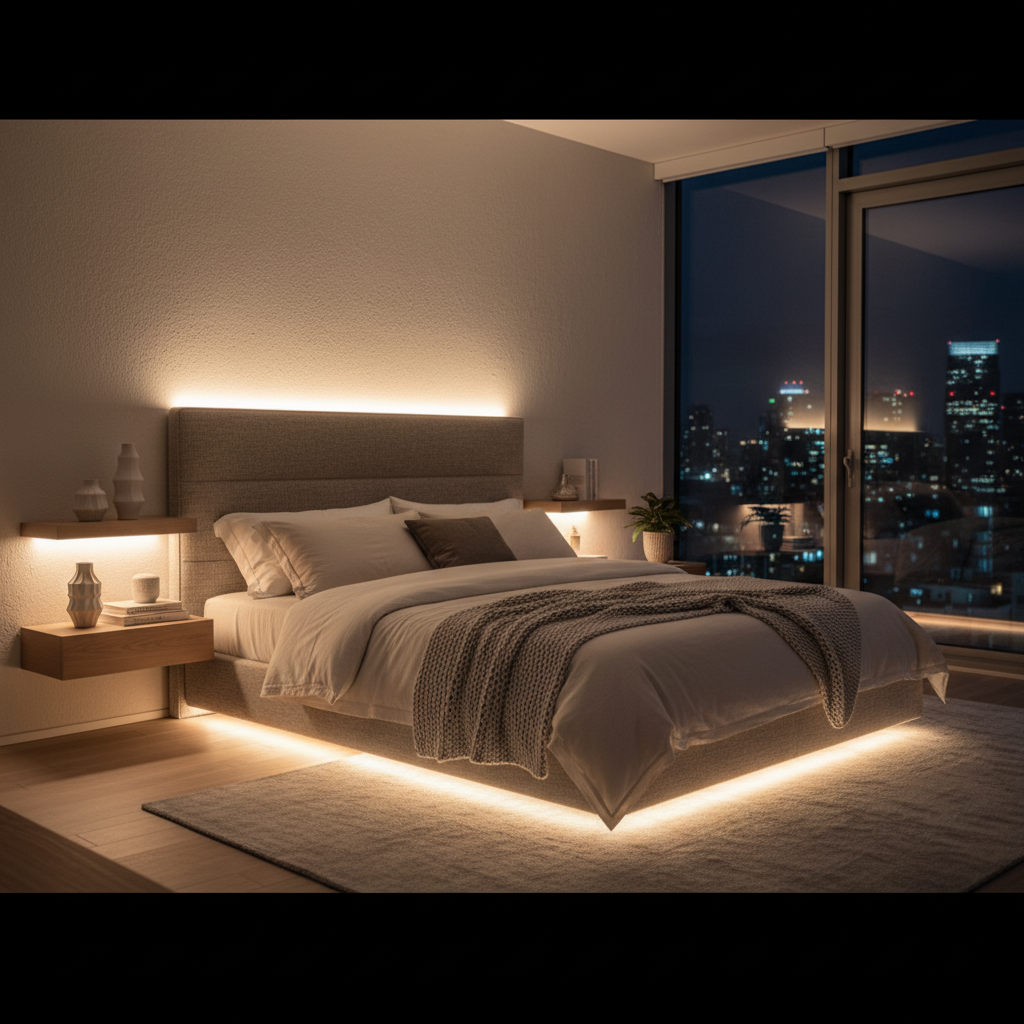
What “good bedroom ambiance” means for LED strips
Ambiance lighting is indirect, comfortable, and easy to adjust. In bedrooms, that usually means you want a strip that can do warm whites well, dim smoothly without sudden steps, and avoid visible “pixels” unless you intentionally want that look.
- Warm white quality matters: Many RGB strips can make “orange,” but they still look off compared with real warm white LEDs.
- Low-brightness performance: Cheap controllers dim by chopping power, which can cause flicker or unstable color at night.
- Diffusion and placement: Even premium strips look harsh if you stare directly at bare LED points.
According to ENERGY STAR, using efficient lighting can reduce energy use versus older technologies, and LEDs are commonly recommended for efficiency and longevity. That won’t pick a strip for you, but it’s a useful reminder that you can leave soft accent lighting on without feeling like you’re burning money every hour.
Quick comparison table: which type fits your bedroom?
If you’re shopping for the best led strip lights for bedroom ambiance, the easiest shortcut is choosing the right category. Here’s a practical way to compare without getting lost in marketing names.
| Strip type | Best for | Pros | Watch-outs |
|---|---|---|---|
| Warm white / tunable white | Relaxing, reading, nightly routines | Natural whites, smooth dimming, less “party” feel | Less colorful effects |
| RGB (color only) | Accent color, occasional mood lighting | Cheaper, fun colors | Whites can look bluish or pinkish |
| RGBW / RGBCCT | Color + real white light | Best balance for bedrooms | Usually costs more, needs the right controller |
| Addressable “pixel” strips | Animated effects, gaming-style rooms | Chasing/rainbow patterns | More complex wiring, can look busy in a calm bedroom |
Why some LED strips look cheap (even when reviews look good)
A lot of disappointment comes from expectations, not just product quality. The photos you see online often rely on camera exposure tricks, plus the strip is hidden in a channel you don’t notice.
Common “looks bad” causes
- Visible diode dots: Happens when the strip is exposed or placed too close to the reflecting surface without diffusion.
- Weak adhesives: Heat and humidity can make strips peel, especially on textured paint.
- Voltage drop: Long runs can dim toward the end, so one side of the room looks brighter.
- Controller mismatch: The strip may support RGBW, but the controller only drives RGB, so whites look wrong.
- Flicker: Not always obvious to your eyes, but it can show up on phone video and may feel fatiguing for some people.
According to the U.S. Consumer Product Safety Commission (CPSC), consumers should follow manufacturer instructions and use listed products where appropriate to reduce electrical hazards. In real bedrooms, that translates to: don’t improvise power supplies, and don’t bury drivers under blankets or inside tight, unventilated spots.
Self-check: pick the right “best” for your room in 60 seconds
Before you buy anything, answer these quickly. Your “best” led strip for bedroom ambiance depends on routine more than aesthetics.
- Do you want realistic warm white most nights? If yes, favor tunable white or RGBW/RGBCCT.
- Is the strip going behind furniture (indirect), or will you see it directly? If you’ll see it, plan on a diffuser channel.
- Do you film content in the room? Look for a reputable controller/driver and avoid super-cheap dimmers that may introduce flicker.
- How long is the run? Over typical bedroom spans, you may need power injection or a higher-voltage system to prevent end-of-line dimming.
- Do you want voice/app control? Decide now, because ecosystems can lock you in.
Key takeaway: If you’re unsure, RGBW/RGBCCT tends to be the safest “bedroom-friendly” category because it handles both cozy white scenes and occasional color.
What to look for when buying LED strips (without chasing specs)
Specs matter, but only a few translate to real bedroom ambiance. Here’s what I’d prioritize when you’re comparing products that all claim to be “the best.”
Shopping checklist
- Color temperature range (for whites): Tunable white or RGBCCT is ideal if you want candle-ish warm at night and cleaner white in the morning.
- High-density LEDs + diffusion: Higher density helps, but a diffuser channel usually matters more than chasing the densest strip.
- Good dimming behavior: You want smooth dimming down to very low brightness without sudden jumps.
- Power supply quality: A properly matched adapter reduces weird issues, and it tends to run cooler.
- Cut points and connectors: Bedrooms often need corners, so confirm you can cut and reconnect cleanly.
- Control method: Remote is simple, app is flexible, voice can be convenient at bedtime. Pick what you’ll actually use.
Also think about noise and “little annoyances.” Some controllers have bright indicator LEDs, and some power bricks can hum. In a bedroom, those details become big details.
Practical placement ideas that instantly look more expensive
Placement is where most people win or lose. You can buy an expensive strip and still get harsh glare if it’s aimed at your eyes. For best led strip lights for bedroom ambiance, aim for bounced light and hidden sources.
Reliable placement options
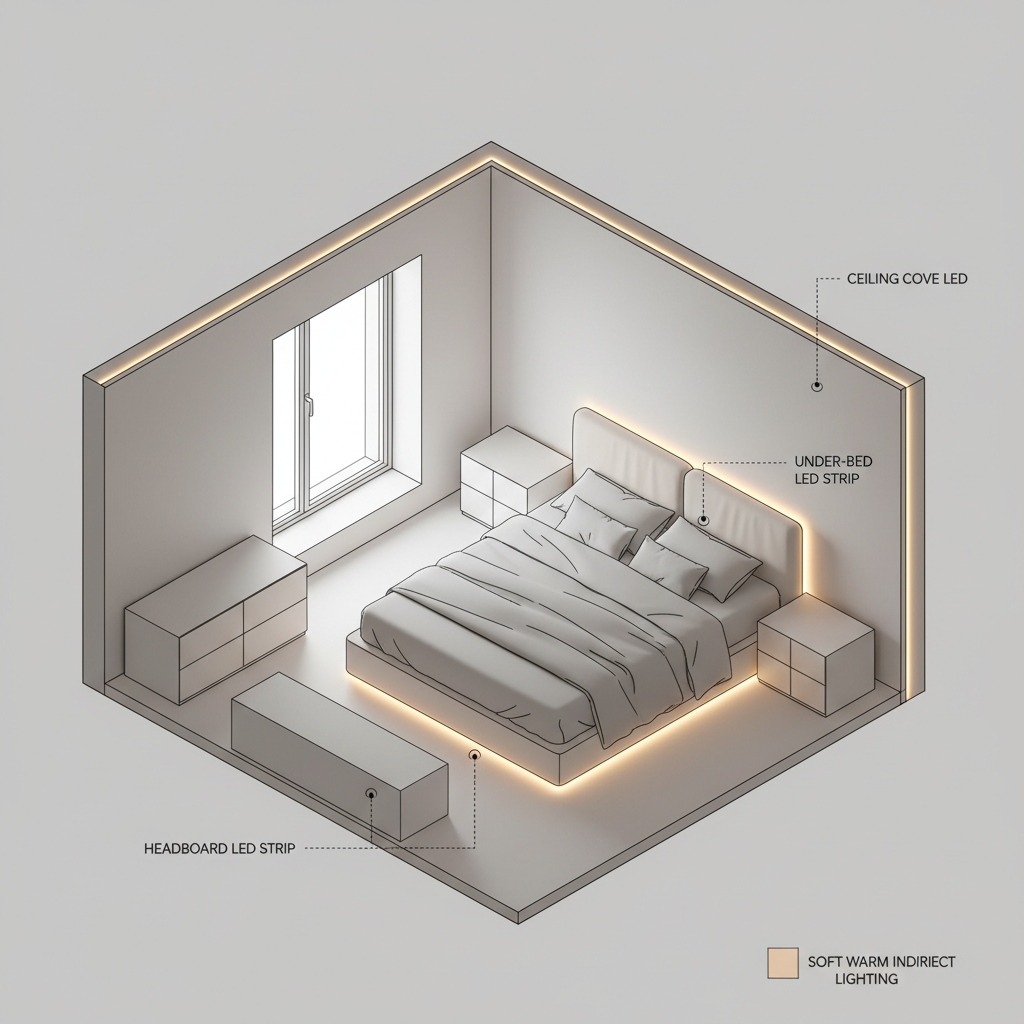
- Behind the headboard: A classic because the wall becomes a soft light panel.
- Under-bed glow: Great as a nightlight, especially with motion or a bedtime scene.
- Top of curtain rod/crown molding line: Washes the upper wall and ceiling, which feels calmer.
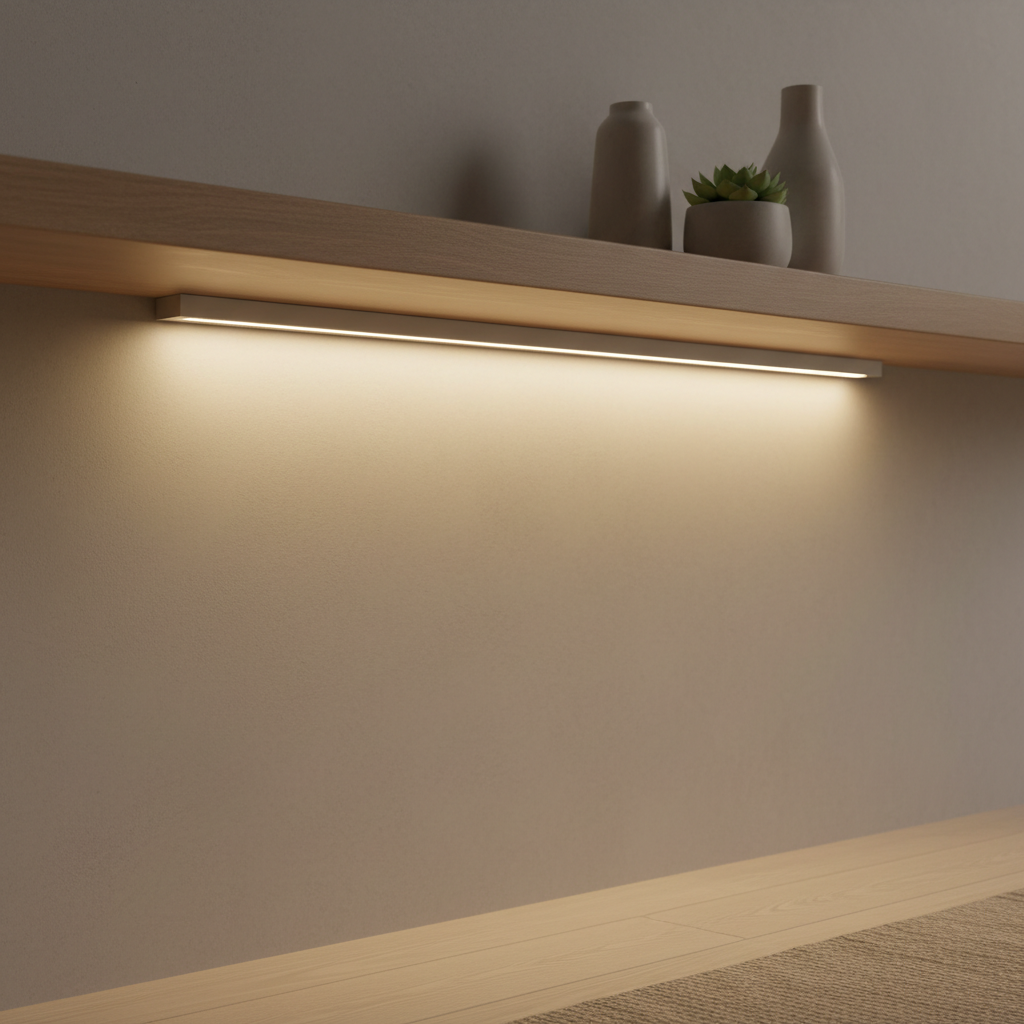
- Under floating shelves: Adds depth and makes decor feel intentional.
Small setup details that matter
- Use a channel with a frosted cover when the strip might be visible from the bed.
- Leave a little setback so the light spreads before it hits the wall.
- Plan cable paths before sticking anything down, because re-sticking often fails.
Step-by-step: install and tune scenes for a calmer bedroom
You don’t need a complicated smart home to get a good result, you just need a repeatable routine: mount cleanly, test before committing, then build two or three scenes you’ll actually use.
1) Prep and test
- Wipe mounting surfaces with isopropyl alcohol and let it fully dry.
- Lay the strip out on the floor and test brightness, whites, and colors before you stick it up.
- Confirm the power supply stays cool in open air; if it runs hot, consider a higher-quality adapter.
2) Mount for diffusion and serviceability
- Mount in an aluminum channel where possible, it looks cleaner and helps with heat management.
- Don’t trap the power brick under bedding or inside a sealed drawer, heat buildup is a real risk.
- If you must mount directly, add clips or a stronger tape rated for the surface.
3) Create three scenes and stop overthinking
- Wind-down: warm white, low brightness, no animations.
- Read: neutral white, moderate brightness, ideally combined with a bedside lamp.
- Night: very dim amber or red-leaning tone for minimal disruption, if that feels comfortable for you.
According to the Illuminating Engineering Society (IES), good lighting design considers glare control and appropriate light levels for tasks. You don’t need to calculate anything for a bedroom, but the principle holds: hide glare, then add only as much light as the moment needs.
Safety notes and common mistakes (worth reading once)
Most LED strip setups are low-voltage, but bad installs can still create problems. If anything feels outside your comfort zone, it’s reasonable to ask an electrician or a qualified installer.
- Don’t mix random power supplies: Match voltage and wattage requirements from the manufacturer.
- Avoid running strips under rugs or pinching wires: damaged insulation can become a hazard.
- Watch for peeling strips: a falling strip can tug connectors and expose contacts.
- Be careful with metal bed frames: route cables to avoid sharp edges and friction points.
- Check product listings: for the U.S., many buyers look for UL or ETL listing; requirements vary, but it can be a helpful safety signal.
If you notice headaches, eye strain, or discomfort around certain settings, dialing back brightness, switching to warmer whites, or using a higher-quality driver may help, and persistent symptoms deserve a conversation with a healthcare professional.
Conclusion: choosing the “best” strip is mostly about the nightly experience
The best led strip lights for bedroom ambiance aren’t necessarily the most colorful or the brightest, they’re the ones that dim smoothly, make warm light look natural, and disappear into the room so you only notice the glow. If you do one thing this week, hide the strip in a diffuser channel or behind a surface so the light bounces instead of hitting your eyes.
If you’re shopping next, decide whether you want true white lighting most nights. For many bedrooms, tunable white or RGBW/RGBCCT ends up feeling “right” longer than basic RGB, even if it costs a bit more.
If you want a more hands-off setup, look for a kit that includes a matched power supply, controller, and mounting channel, because most frustration comes from mixing parts that were never meant to work together.
FAQ
Are RGB LED strips good enough for bedroom ambiance?
They can be, especially if you mainly want color accents, but many RGB strips produce whites that look cool or tinted. If you expect cozy warm white nightly, RGBW or tunable white tends to feel more natural.
How do I stop seeing individual LED dots on the wall?
Use a diffuser channel with a frosted cover, and increase the distance between the strip and the surface it lights. Even a small setback can turn “dots” into a smoother wash.
What color temperature is best for relaxing in a bedroom?
Many people prefer warmer tones for winding down, but comfort varies. A tunable setup is practical because you can shift warmer at night and more neutral in the morning.
Why is my LED strip dimmer at the far end?
That’s often voltage drop on longer runs. Shorter segments, a higher-voltage system, or power injection can help, and the right approach depends on your strip and room layout.
Do LED strip lights flicker, and should I worry?
Some setups can flicker due to low-quality dimming or drivers. It might not be visible, but it can show up on camera and can bother sensitive users, so choosing a reputable controller and power supply usually helps.
Is it safe to leave LED strips on overnight?
Many people do, but safety depends on product quality, installation, and ventilation. Avoid covering power supplies, follow the manufacturer guidance, and if anything runs unusually hot, stop using it and consider professional advice.
Where should I place LED strips for the most “hotel-like” look?
Behind the headboard, along a ceiling edge, or under floating elements tends to look more upscale because the light source stays hidden and the room gets an even glow.
Key points to remember:
- Choose the right type: tunable white or RGBW/RGBCCT for everyday comfort.
- Hide the source: indirect light beats exposed strips in bedrooms.
- Don’t cheap out on power/control: it affects dimming, flicker, and reliability.